
What is clear is that cloud computing is accelerating faster than predicted, adoption rates are high, and revenue generation is soaring.
CLO
You may say that cloud computing is something for professionals and has little to do with us ordinary people. In fact, cloud computing has many applications in our daily life!
Cloud transformation is a complex process that requires careful planning, execution, and ongoing management. Understanding the challenges and risks associated with cloud transformation and working with experienced cloud experts to ensure a successful transition is critical.
Large enterprises can no longer get away with just having local systems, moving some of their digital operations to the cloud has become necessary, and if both public and private clouds are used it is a hybrid cloud.
ERP is a long-term game, as it is the core platform on which customers build their daily business operations. As ERP continues to move to the cloud, it will open up new opportunities for the channel. As long as they work together, vendors and their channel partners can build a new model that works for everyone.
As more and more enterprises transfer their business to the cloud platform, it is crucial to understand the most common and dangerous cloud security risks and how to maintain protection.
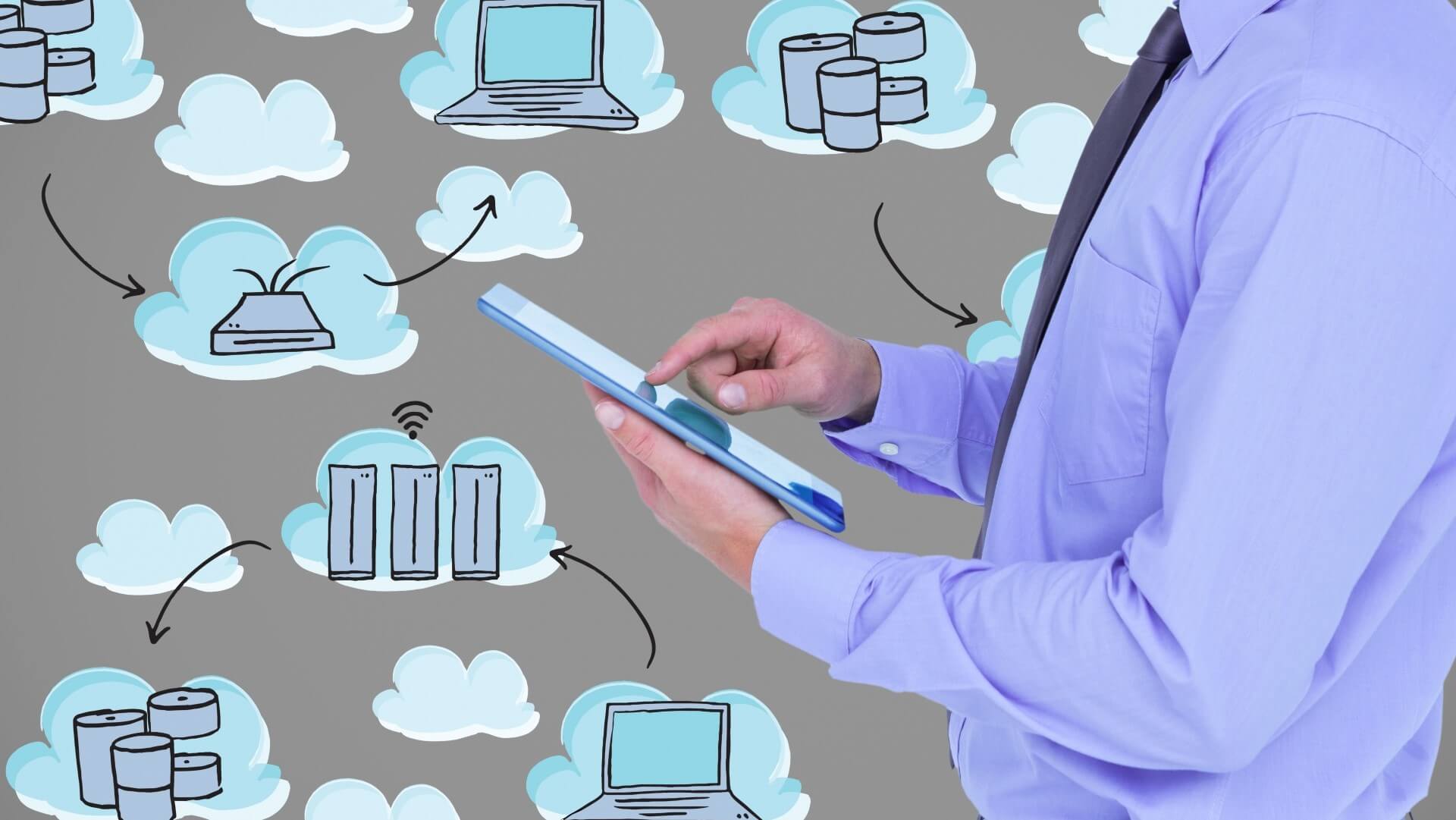
Cloud technology is a way of sharing computing resources connected through the Internet. These resources include computers, storage devices, network devices, and applications.
When the core of cloud computing system computing and processing is a large amount of data storage and management, the cloud computing system needs to be configured with a large number of storage devices, then the cloud computing system is transformed into a cloud storage system
Some people may wonder what is the most important reason that IT organizations should consider when migrating to cloud computing. For those companies that have just embarked on the cloud journey, here are four of the most important reasons.
Cloud platform is a cloud computing platform, which refers to a computing service platform based on cloud computing technology for providing flexible, scalable and shareable computing resources and system services.