Serverless is a new cloud computing paradigm that allows developers to focus more on application development and deployment without focusing on the underlying infrastructure.
CLO
Cloud computing is having an increasingly profound impact on the sports industry. People can use cloud computing to analyze and process large amounts of data, which in turn can improve the way athletes train and live.
No cloud strategy is the same as no business strategy. As enterprises implement 'cloud-first' policies for new workloads, their adoption and interest in the public cloud continues unabated.
Nowadays, enterprises are more and more inclined to take data as the driving force, because their data is the driving force for their development engine to create new products, surpass competitors and provide customers with better experience. Therefore, big data management and processing for different partners (such as data analysts, data engineers, and data operating companies) should be fast, automated, and scalable.
Smart cities will permeate every aspect of our daily life. Whether it is improving traffic flow, garbage collection, or public maintenance of smart cities, it will ensure a safer, cleaner and more affordable urban center, and maximize the service and budget.
As more and more enterprises transfer their business to the cloud platform, it is crucial to understand the most common and dangerous cloud security risks and how to maintain protection.
The industry discussion on cloud migration has focused on how to redesign applications to take full advantage of cloud services and then migrate them to the cloud.
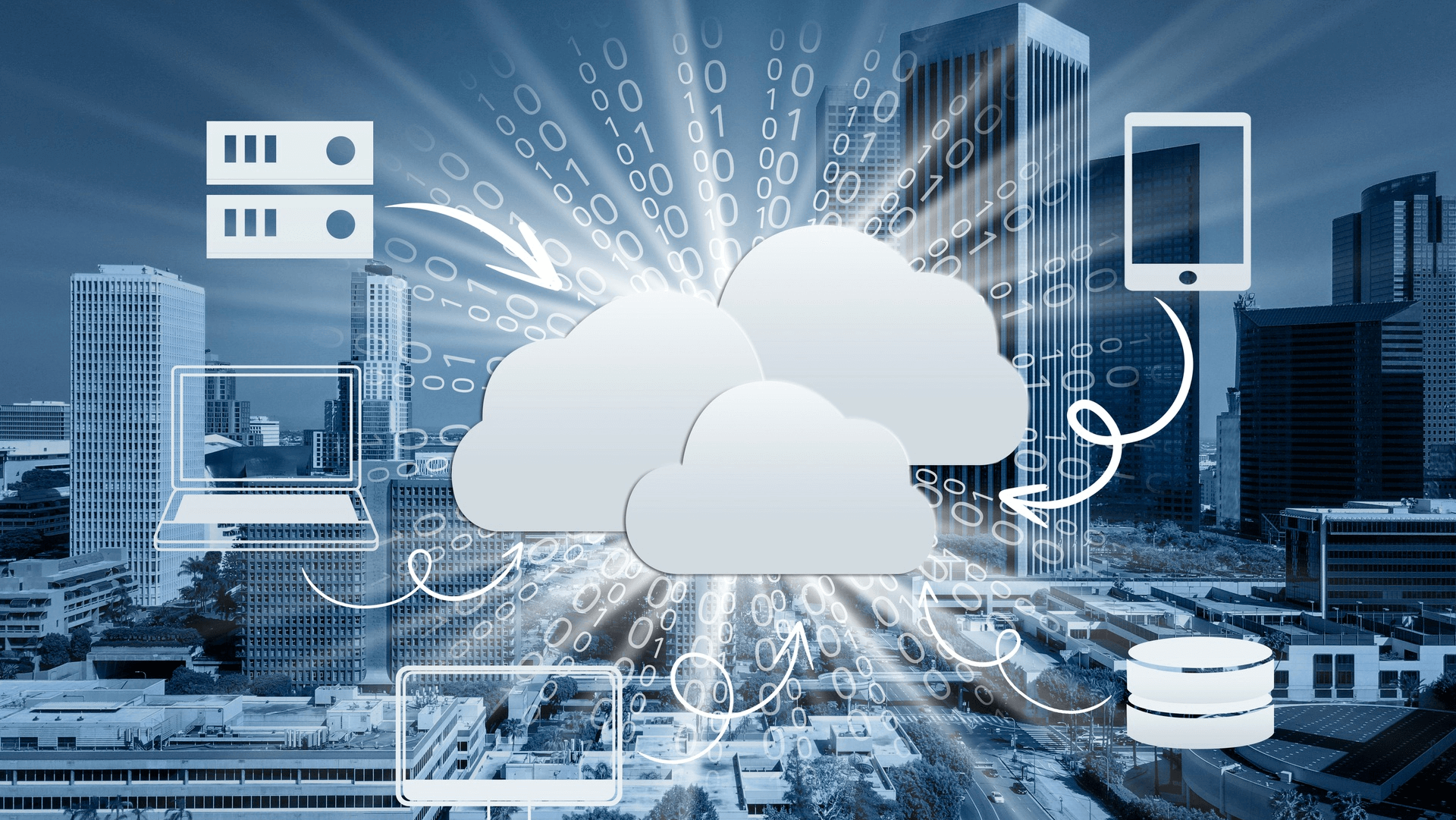
Large enterprises can no longer get away with just having local systems, moving some of their digital operations to the cloud has become necessary, and if both public and private clouds are used it is a hybrid cloud.
The Cloud Security Alliance, together with HP, has listed the top seven threats to cloud computing, based largely on the results of a survey of 29 enterprises, technology vendors and consulting firms.
Cloud computing has revolutionized IT infrastructure, eliminated hardware and software costs, and allowed customers to access these resources through the Internet. Cloud computing resources include physical and virtual services, applications, data storage, development tools, artificial intelligence services and virtual machines.