Like any other computing device, IoT devices are a potential entry point for attackers to compromise a company's network, and as such, strong security measures are needed to protect them.
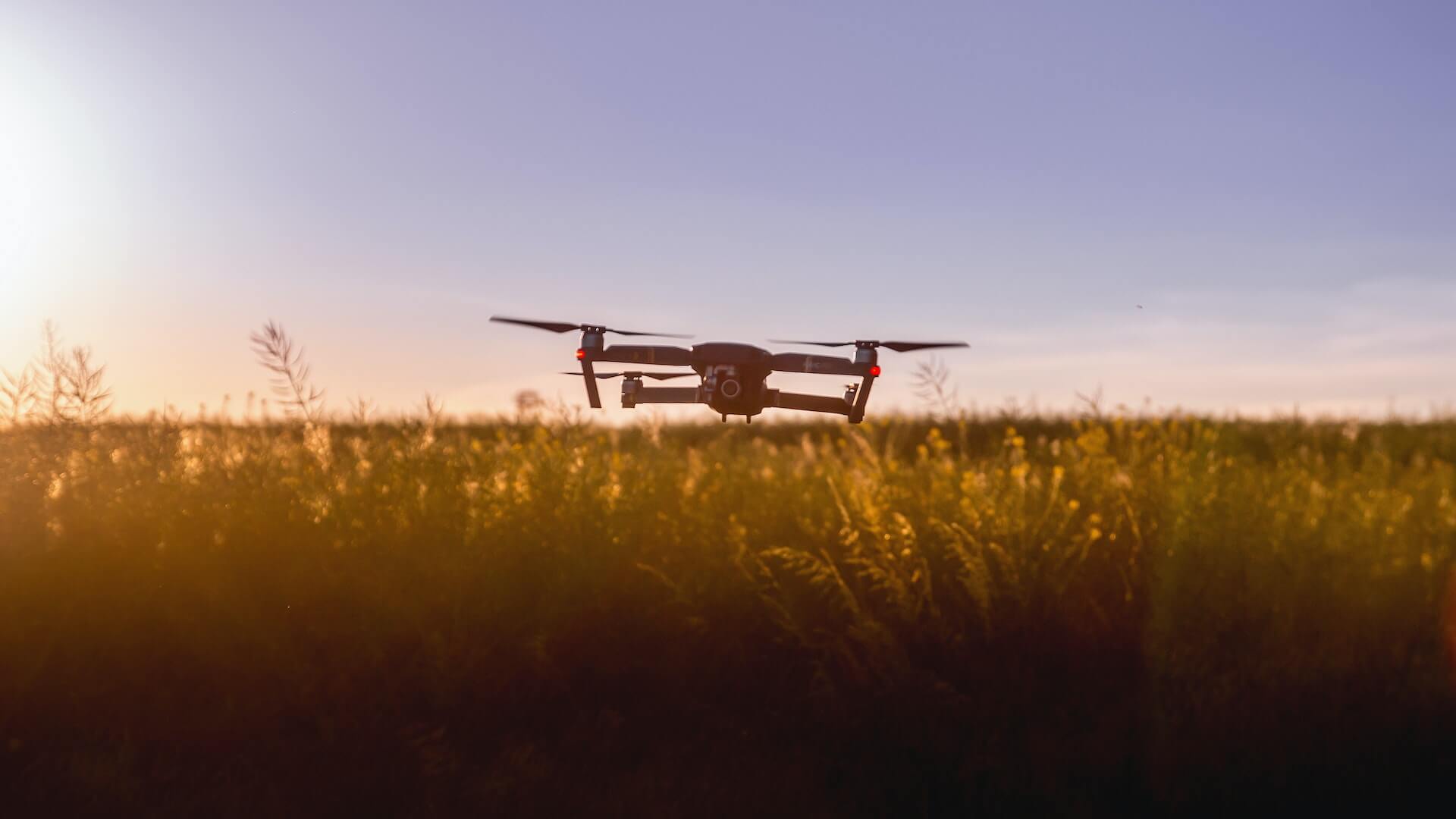
The Internet of Things has already brought great advances to many industries, including construction, health and education. Agriculture, of course, is no exception.
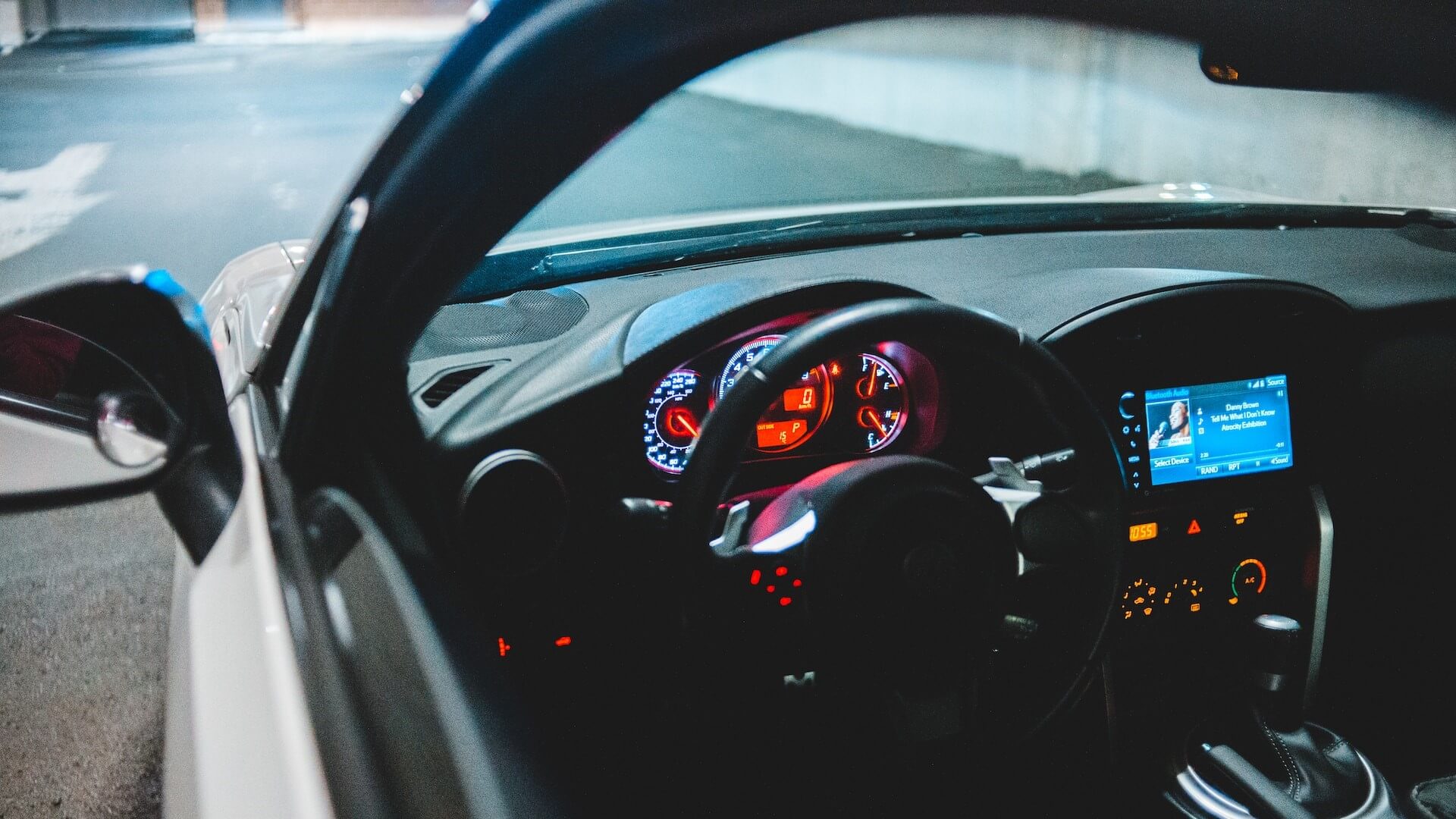
It is almost certain that the rise of self-driving cars will usher in an era of carpooling for all, meaning that the immediate need for cars will decline and fewer people will need (or want) to own them.
IOT refers to a network of interconnected computing devices, machines, objects, animals and people that can share data with other devices and systems over the network.
Seventy percent of respondents expect a return on their investment within one year, while for another 30 percent, a return on investment within six months is desired.
Mobile Internet of Things is a network technology built on the basis of Internet, communication network and wireless LAN in order to realize the mutual transmission of data and data
While we often think of the Internet of Things as having an important place in commercial and industrial settings, it is also being widely adopted in a variety of public institutions such as museums and galleries.
The Internet of Things has had and will continue to have a significant impact on the business model. Enterprises need to plan and change their business methods to integrate these changes. By understanding how the Internet of Things will affect your business, you will maximize its functionality to achieve higher business goals and profits.